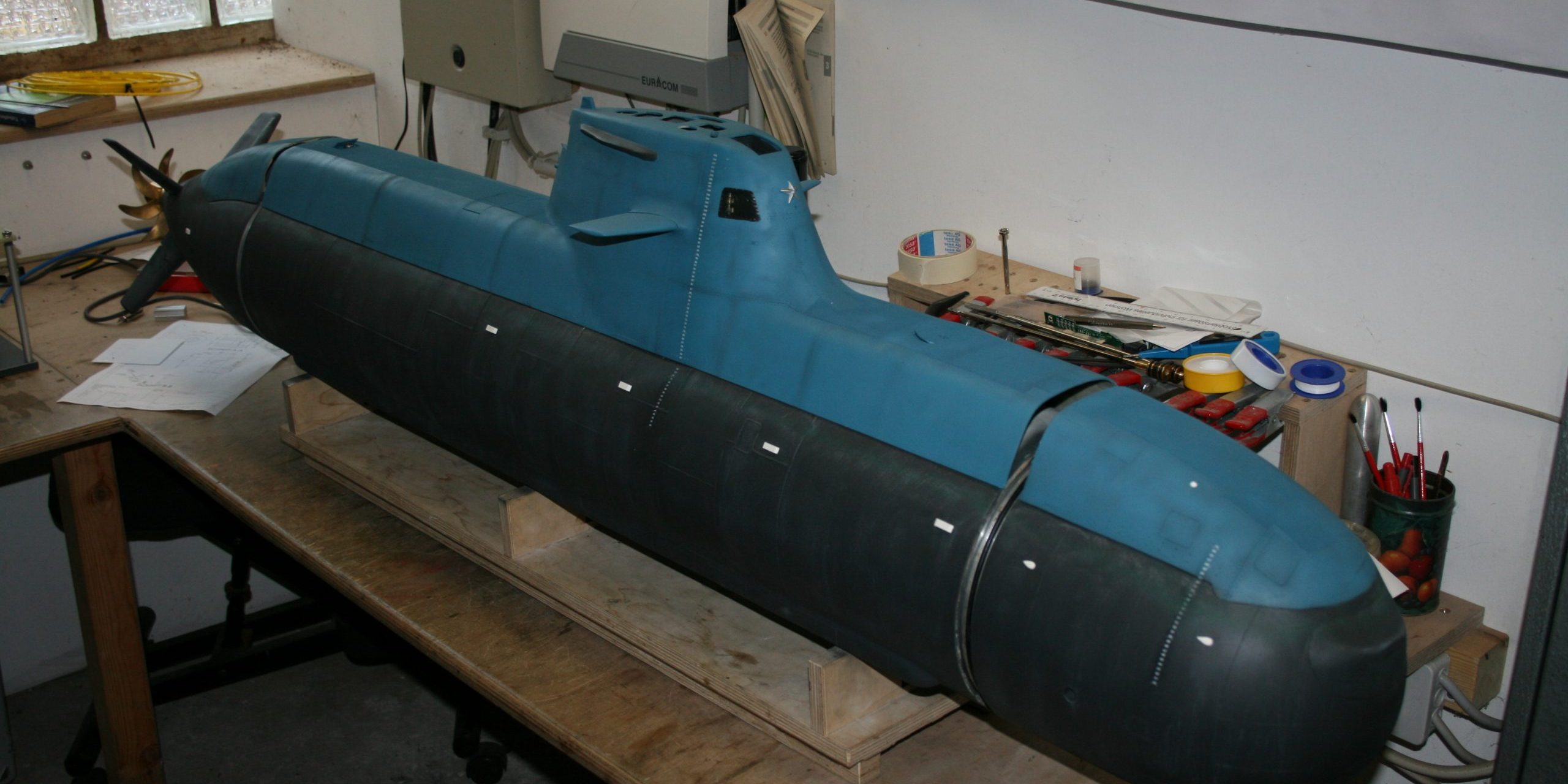
Nachdem ich meine 212A fertig gebaut hatte stand das Lackieren an. Im Internet gibt es einiges an Informationen in Sachen Alterung. Jedoch habe ich kaum etwas gefunden wie man ein modernes Boot altert. Da die Außenhaut beim Original aus Kunststoff besteht fallen Rost und ähnliches komplett weg.
Zunächst habe ich den kompletten Rumpf mit Korn 240 angeschliffen.
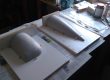
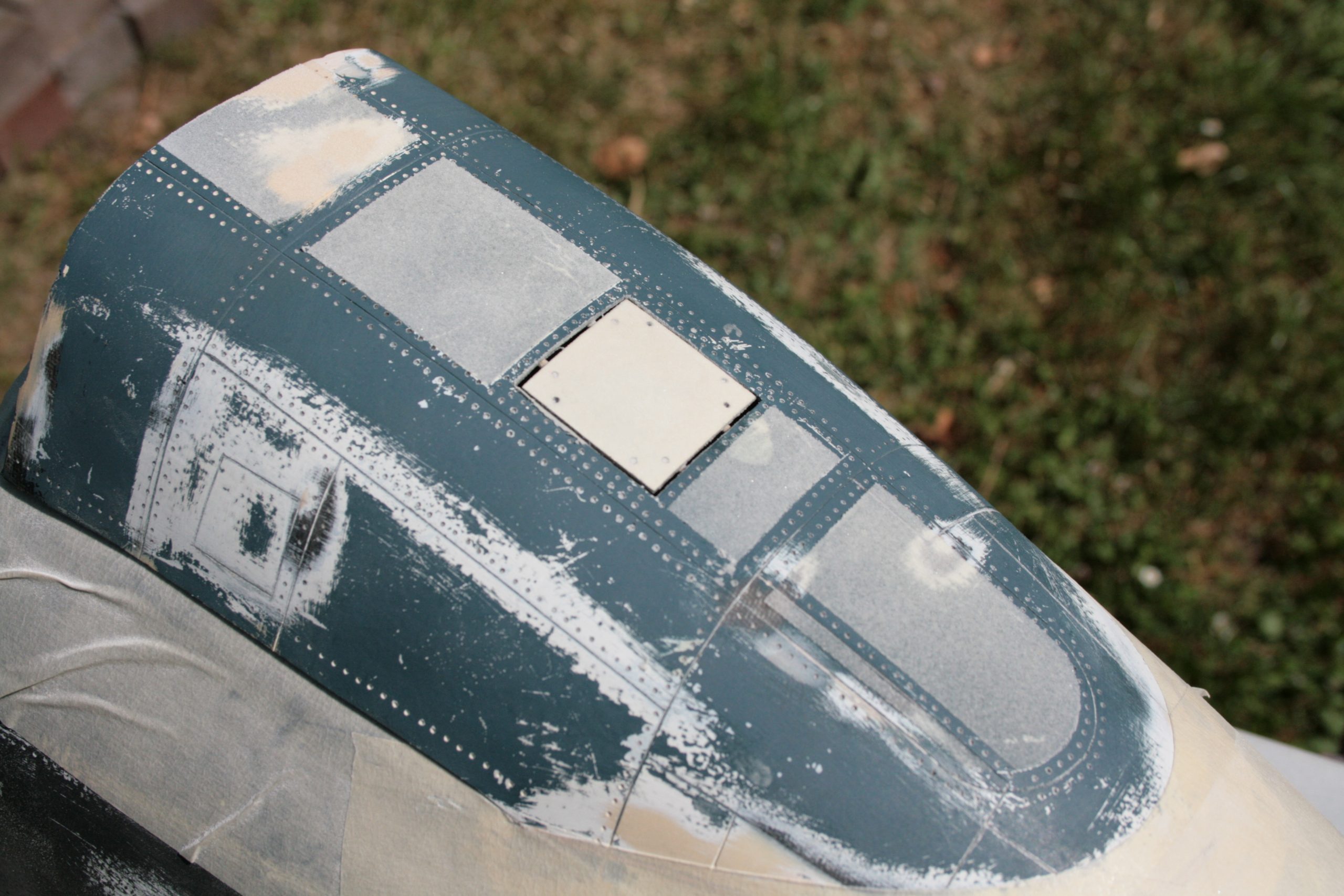
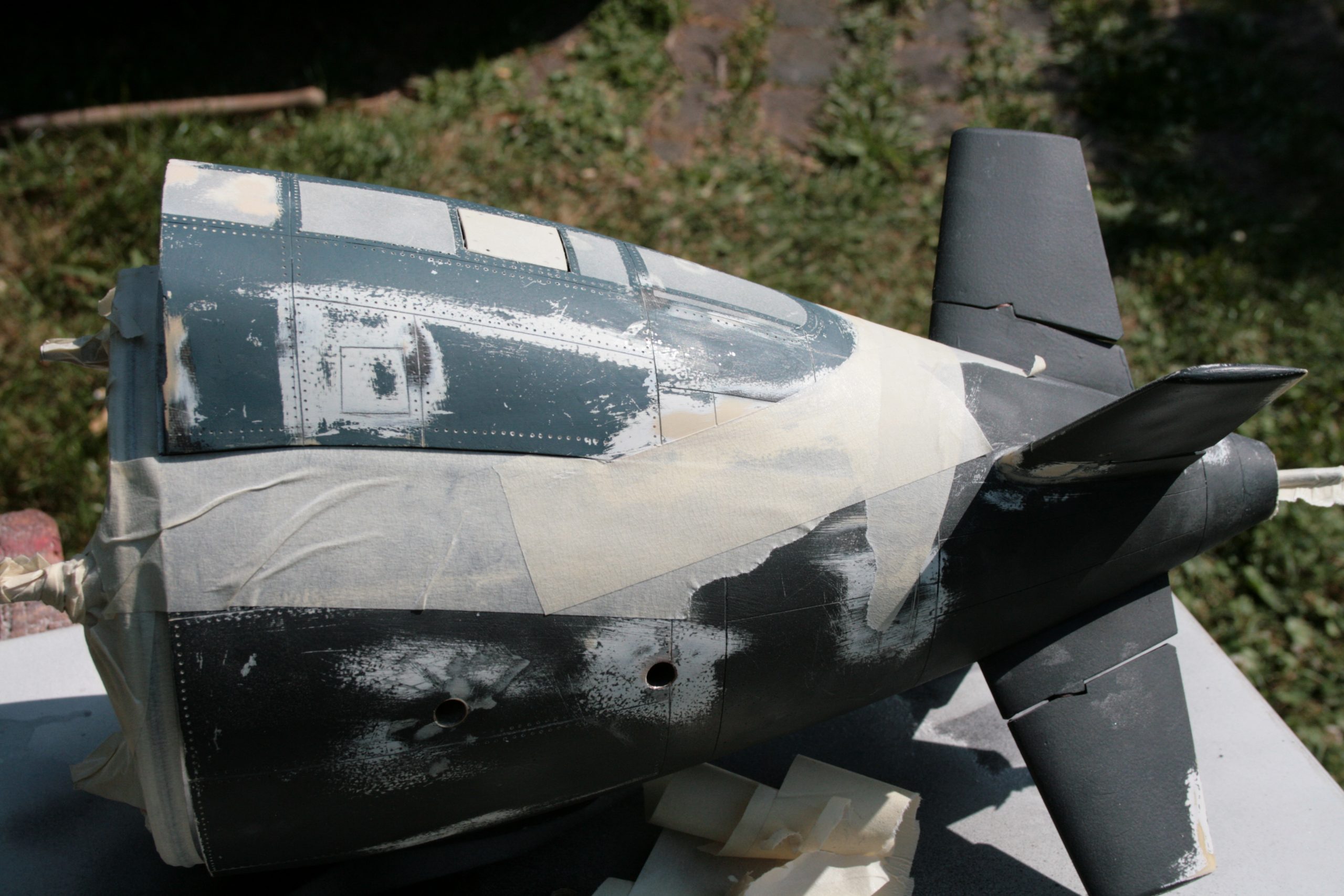
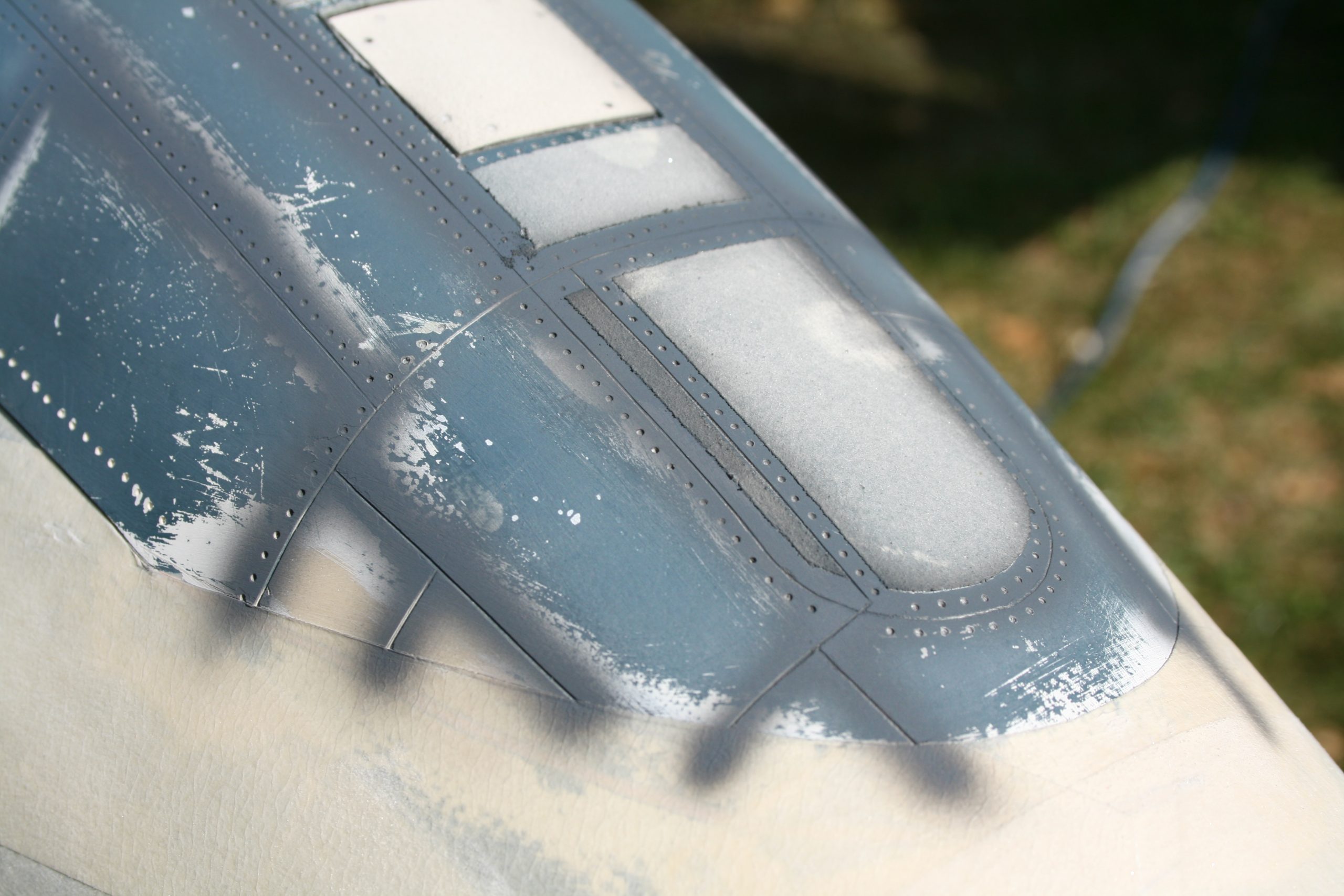
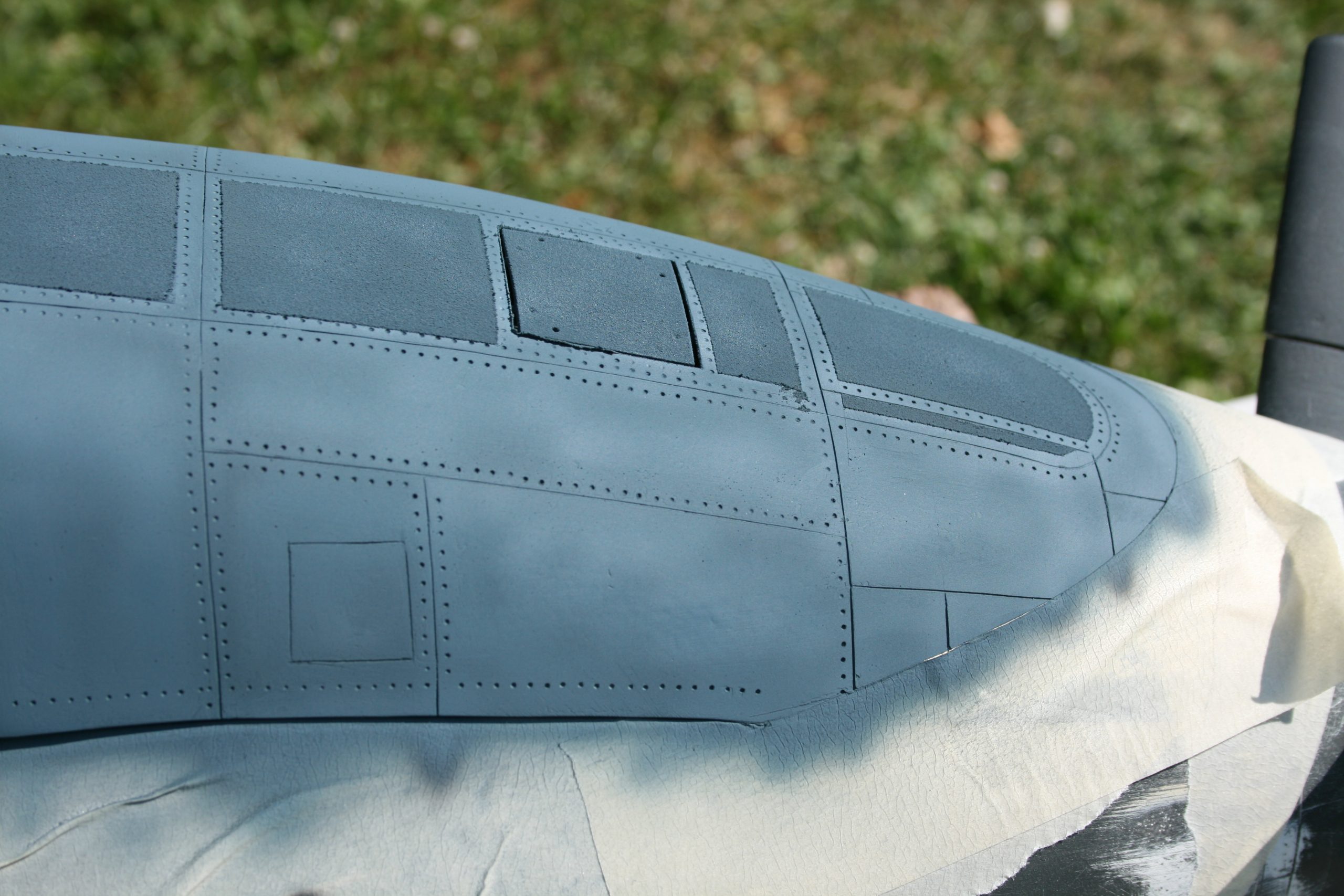
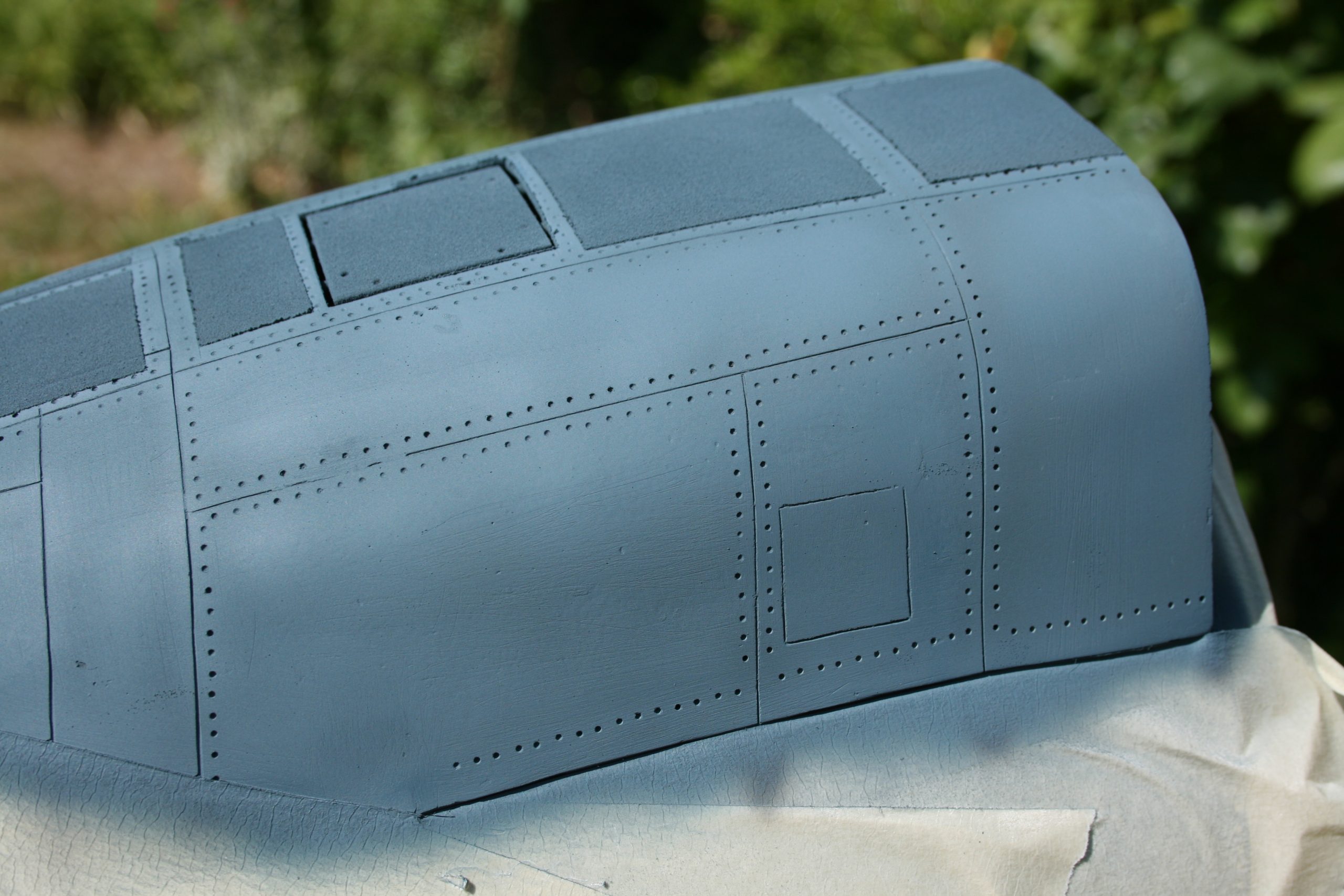
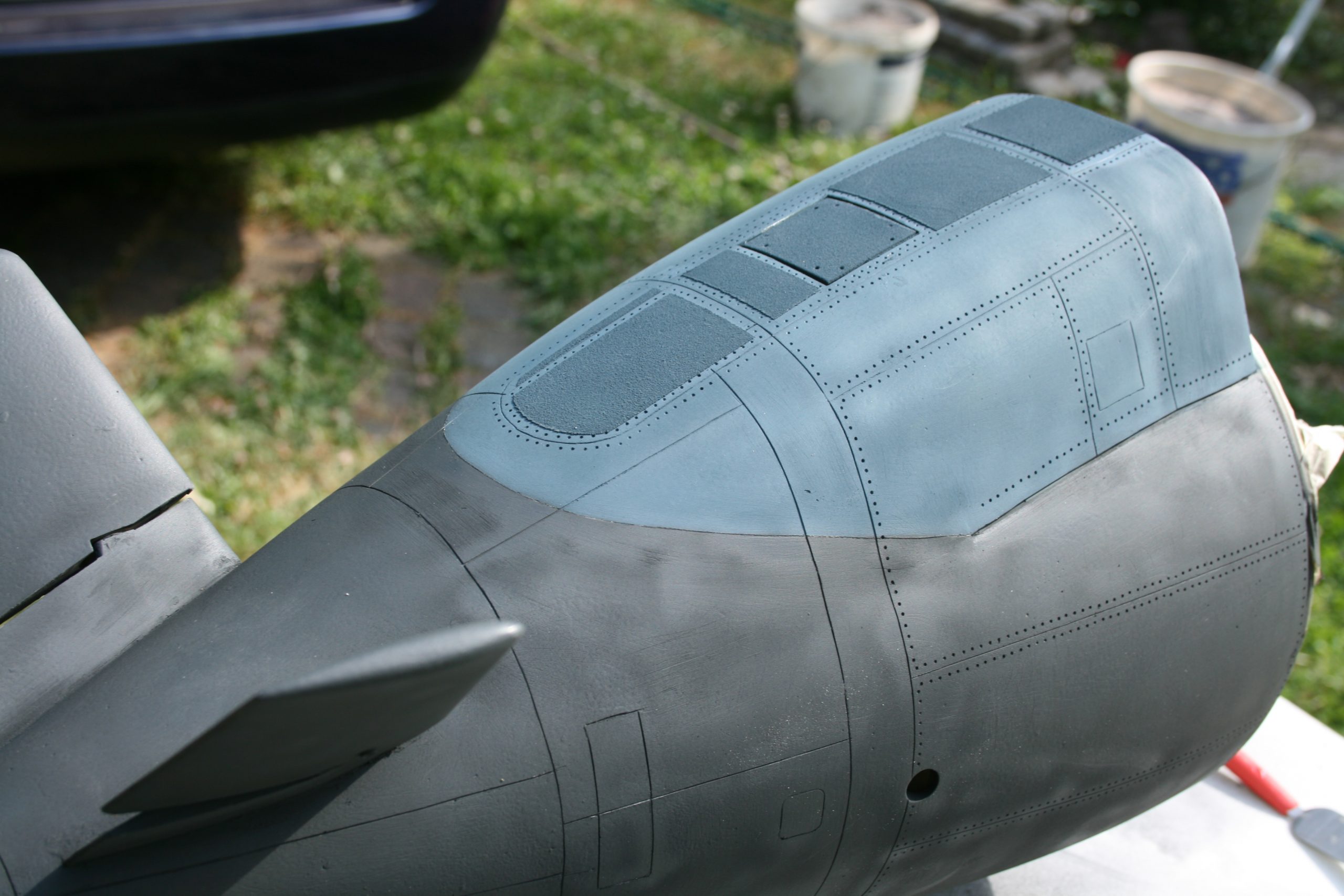
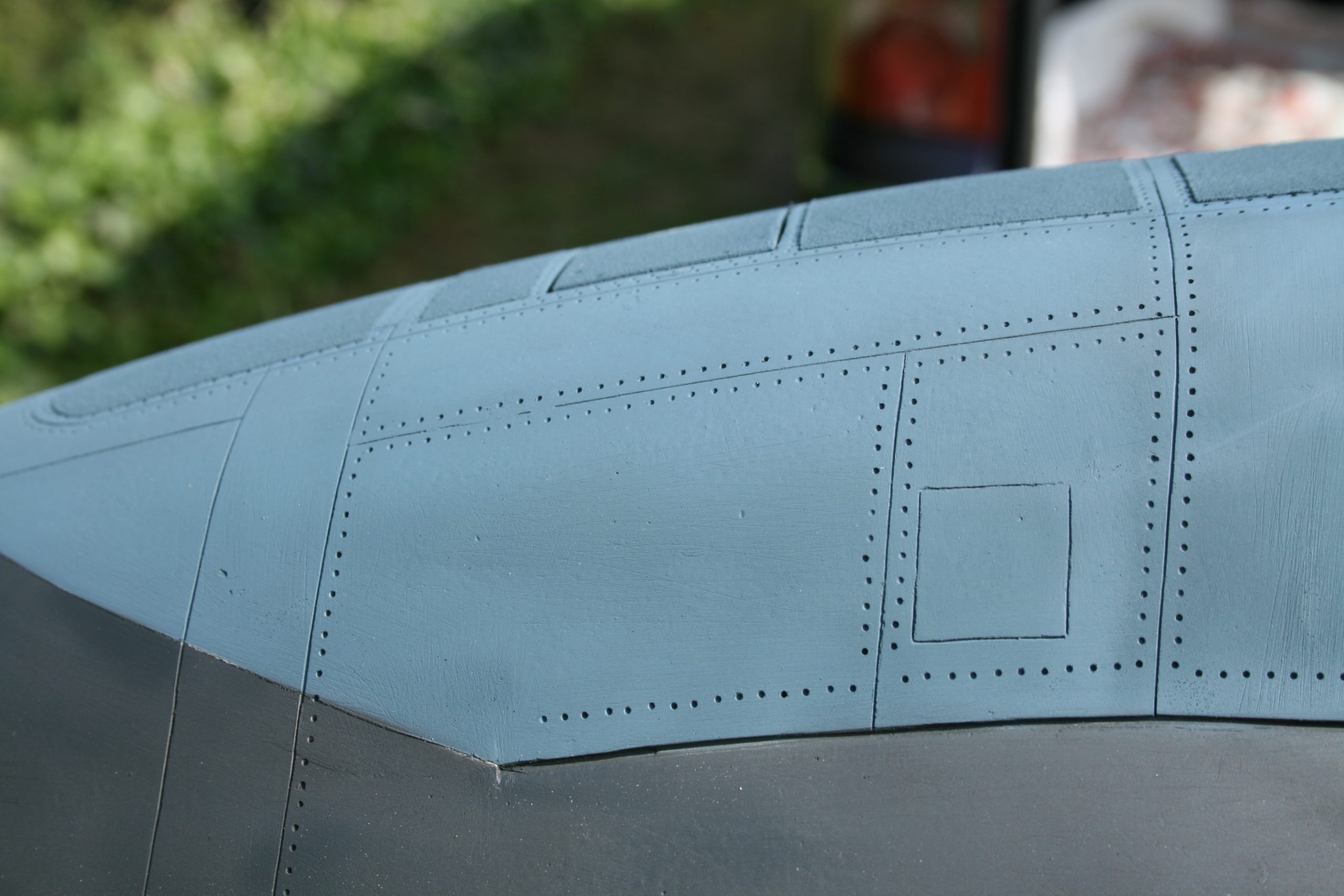
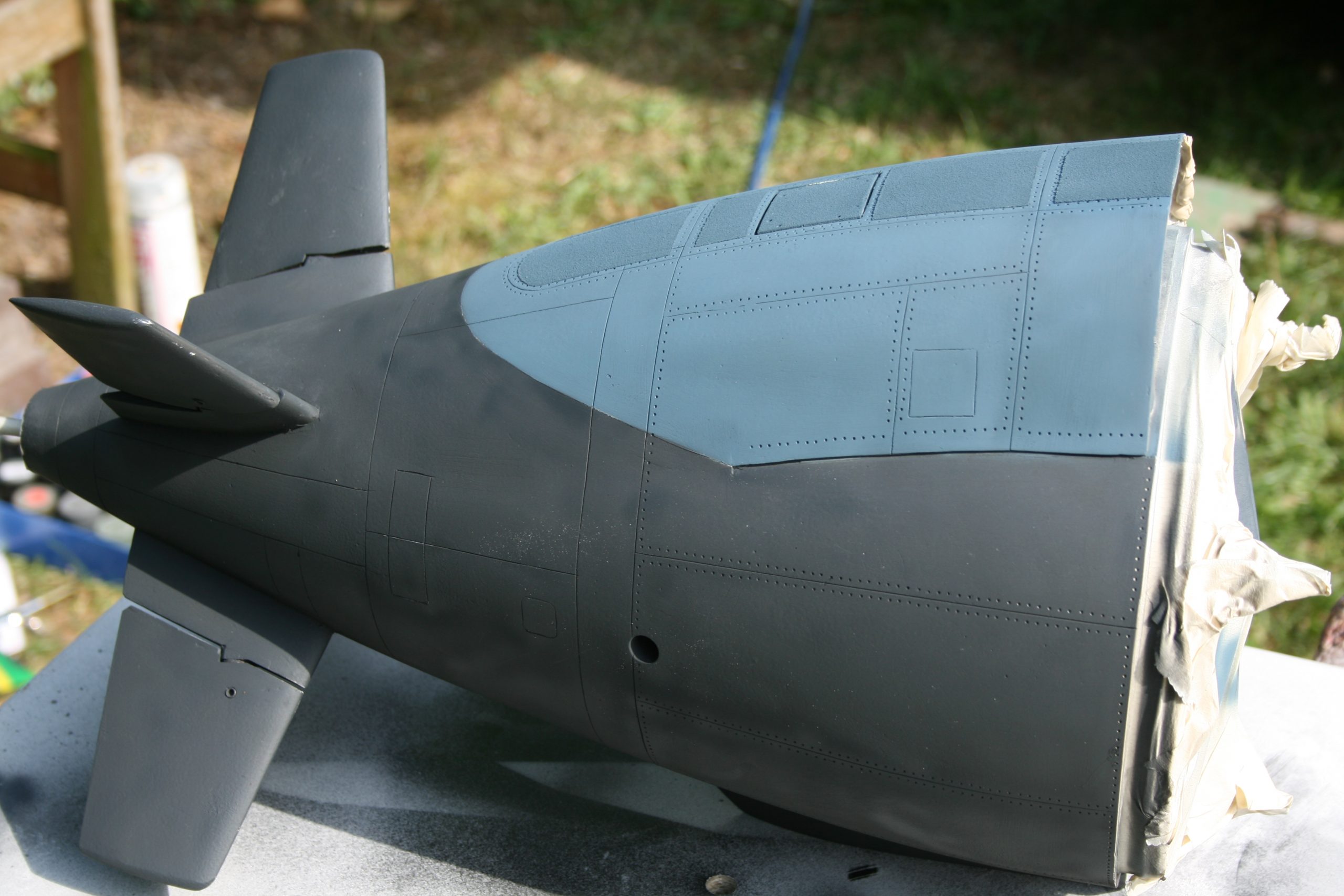
Die Originalboote haben an Deck einen Antirutschbelag. Dazu gibt es mehrere Methoden. Von Aufgeklebtem Schleifpapier bis hin zu eingestreutem Sand. Gefallen haben mir keine so richtig, der Sand war meist zu grob und das Schleifpapier lag nicht richtig an, oder löste sich nach kurzer Zeit ab. Daher startete ich Experimente mit Tixotropierpulver (Zum andicken von Epoxid- oder Gießharzen). Die Oberfläche war nicht grob und passte wesentlich besser zum Maßstab.
Die Stoßkanten der Platten wurden per Preshading abgedunkelt und anschließend mit dem Grundlack dünn überlackiert.
Im nächsten Schritt stand die Alterung des Wasserpass an. Dieser ist schon nach Tagen auf See grün von Algen und Ablagerungen. Aufgebracht habe ich dann wieder Acryllack mit einem festen Langborstigen Pinsel. Zum Einsatz kamen Moosgrün, etwas Grau und Feldgrau. Der Pinsel ist dabei fast trocken und lackiert habe ich nur tupfend.
Ganz zum Schluss muss alles mit einem seidenmatten Klarlack versiegelt werden.
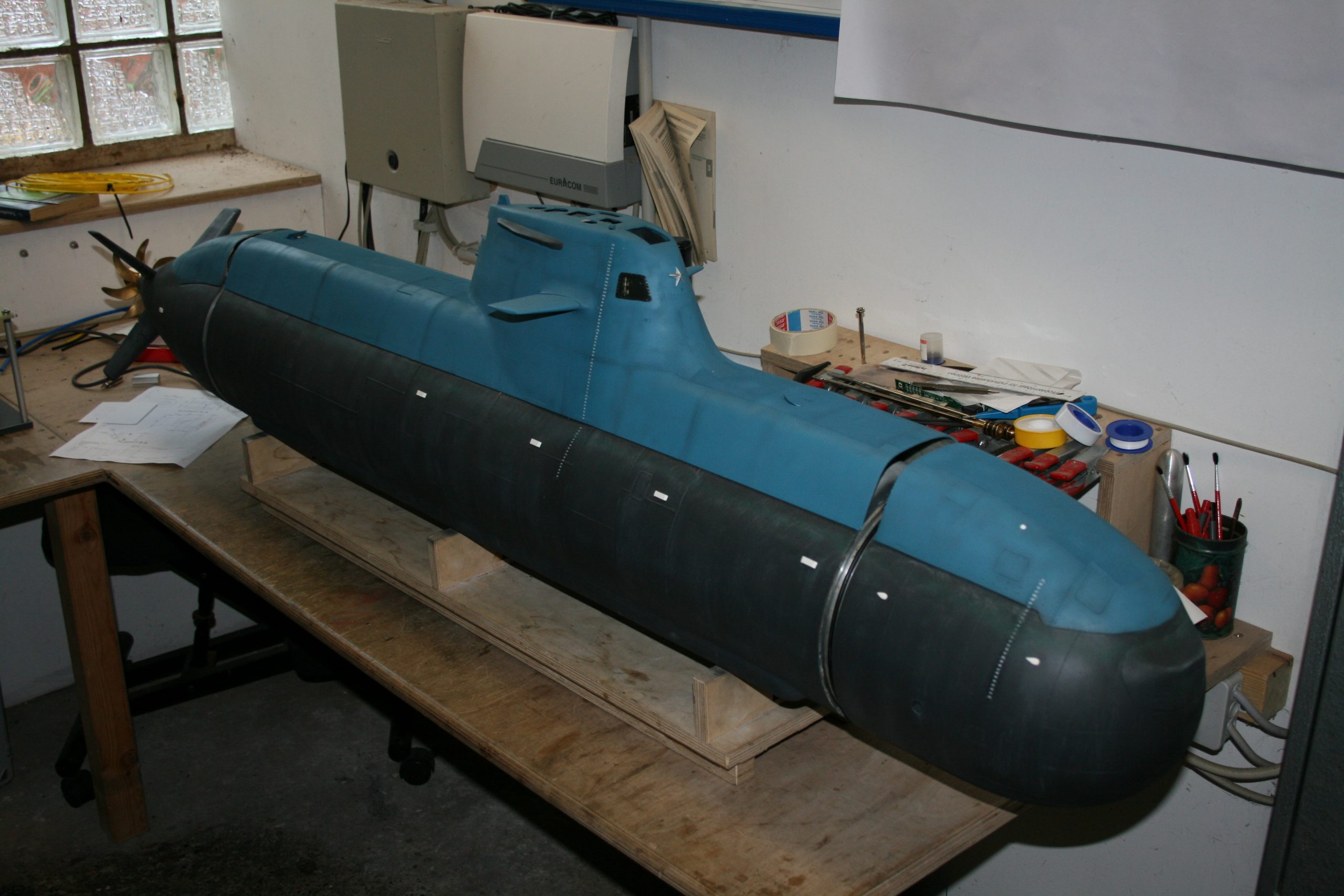
After I had finished building my 212A, it was time for painting. There is quite a lot of information on weathering available on the internet. However, I found hardly anything on how to weather a modern boat. Since the outer hull of the original is made of plastic, rust and similar effects are completely out of the question.
First, I sanded the entire hull with 240-grit sandpaper.
The original boats have an anti-slip coating on the deck. There are several methods to replicate this, ranging from glued-on sandpaper to sprinkled sand. None of these really appealed to me: the sand was usually too coarse, and the sandpaper either didn’t conform properly or came loose after a short time. Therefore, I started experimenting with thixotropic powder (used to thicken epoxy or casting resins). The surface was not too rough and matched the scale much better.
The joints between the plates were darkened using preshading and then lightly overpainted with the base color.
The next step was weathering the waterline. After only a few days at sea, this area turns green from algae and deposits. I again used acrylic paint, applied with a stiff, long-bristled brush. The colors used were moss green, a bit of gray, and field gray. The brush was almost dry, and the paint was applied only by dabbing.
Finally, everything has to be sealed with a satin clear coat.